When catastrophic earthquakes struck northern Venezuela, the devastation left communities shattered, families separated, and local systems overwhelmed. In the immediate aftermath, NATAN Worldwide Disaster Relief mobilized swiftly to answer the call, launching an advance team to evaluate urgent needs, establish medical and psychosocial channels, and lay the groundwork for an extended humanitarian assistance operation.
Behind every large-scale disaster relief operation are the individuals who step into the chaos first. NATAN’s initial response team brought together a specialized blend of expertise, leadership, and empathy:
-
Udi Cohen (Head of Mission): A veteran of global crisis response, Udi previously led critical NATAN missions aiding refugees in Lesbos, Greece, and along the Poland-Ukraine border.
-
Dr. Ron Jacob: A senior emergency pediatric specialist from HaEmek Medical Center, bringing vital medical expertise to the field.
-
Shir Cohen: A skilled social worker with deep experience in neighboring Colombia, who served a dual role providing immediate psychosocial support and seamlessly bridging language barriers as a fluent Spanish speaker.
Together, their mission was twofold: assess the physical and emotional conditions on the ground, and build the local partnerships required to sustain long-term relief efforts.
Navigating Uncertainty: The Journey to Caracas
Mobilizing for an emergency earthquake response in Venezuela meant overcoming immediate logistical hurdles. Speed was critical, but establishing trusted channels in the region was essential before setting foot on the ground.
“As soon as the earthquakes struck, NATAN began mobilizing to help,” recalls Udi Cohen. “Our first challenge was finding local contacts in Venezuela. We reached out to anyone and everyone we could think of, connecting with Jewish communities in Caracas and Panama, as well as the leadership of FUNDANA, a local non-profit dedicated to child protection. These contacts proved invaluable.”
With routes changing rapidly, the team met at the airport and embarked on a multi-leg journey through Europe and Central America. Up until their final connection, it remained uncertain whether entry into the disaster zone would be possible. Once cleared, they landed in Caracas to begin their work immediately.
Upon arrival, the local community welcomed the team warmly, providing immediate shelter, localized context, and key introductions. For the community, seeing international aid arrive from Israel brought a sense of hope during a deeply dark moment.
Reaching the Disaster Zone: Medical Care and Human Dignity
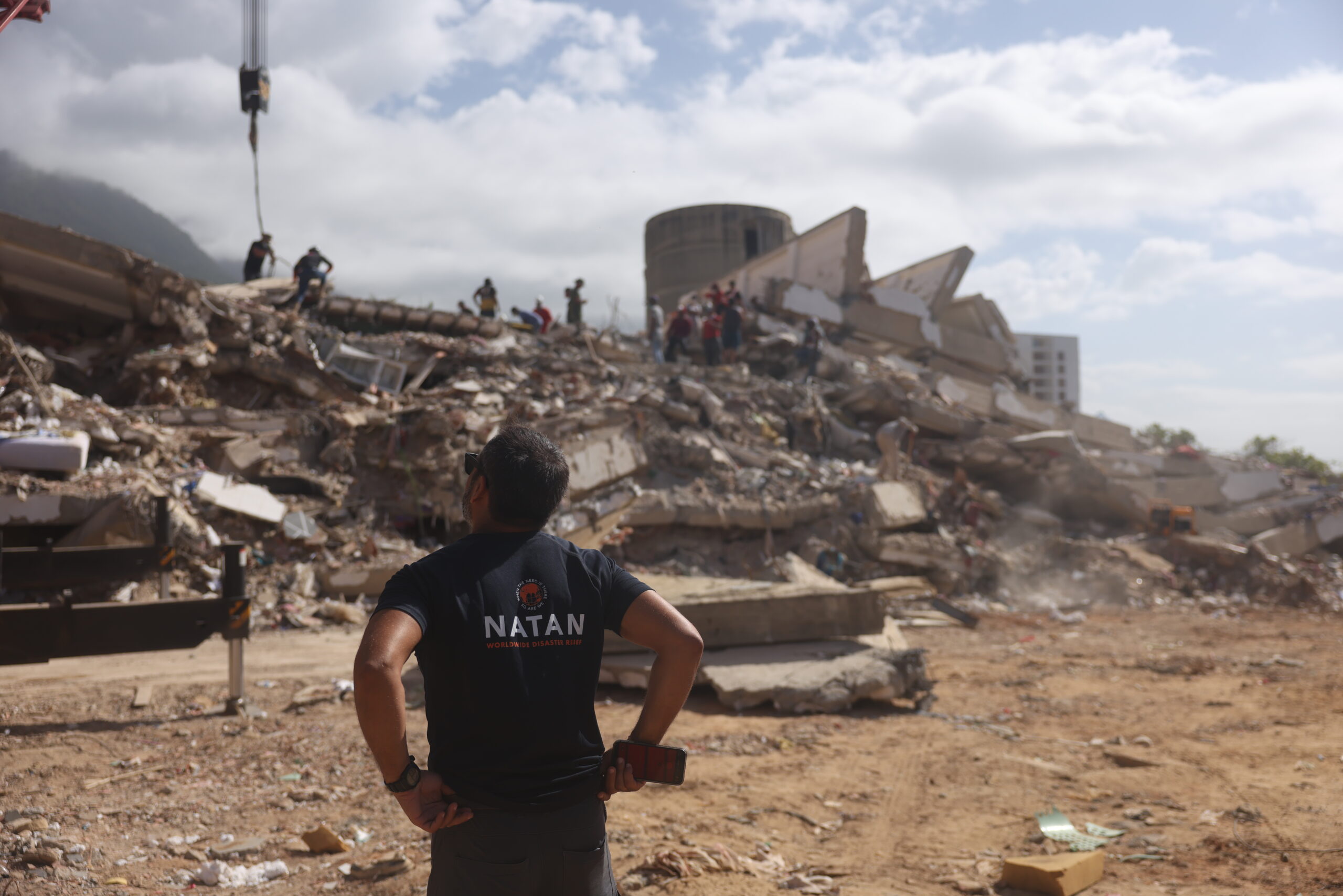
With local partner FUNDANA, NATAN secured government approvals and made its way directly into the hardest-hit areas. They found survivors living in makeshift tent encampments set up beside the rubble of their former homes. Many were waiting anxiously for news of missing loved ones; others simply had nowhere else to go.
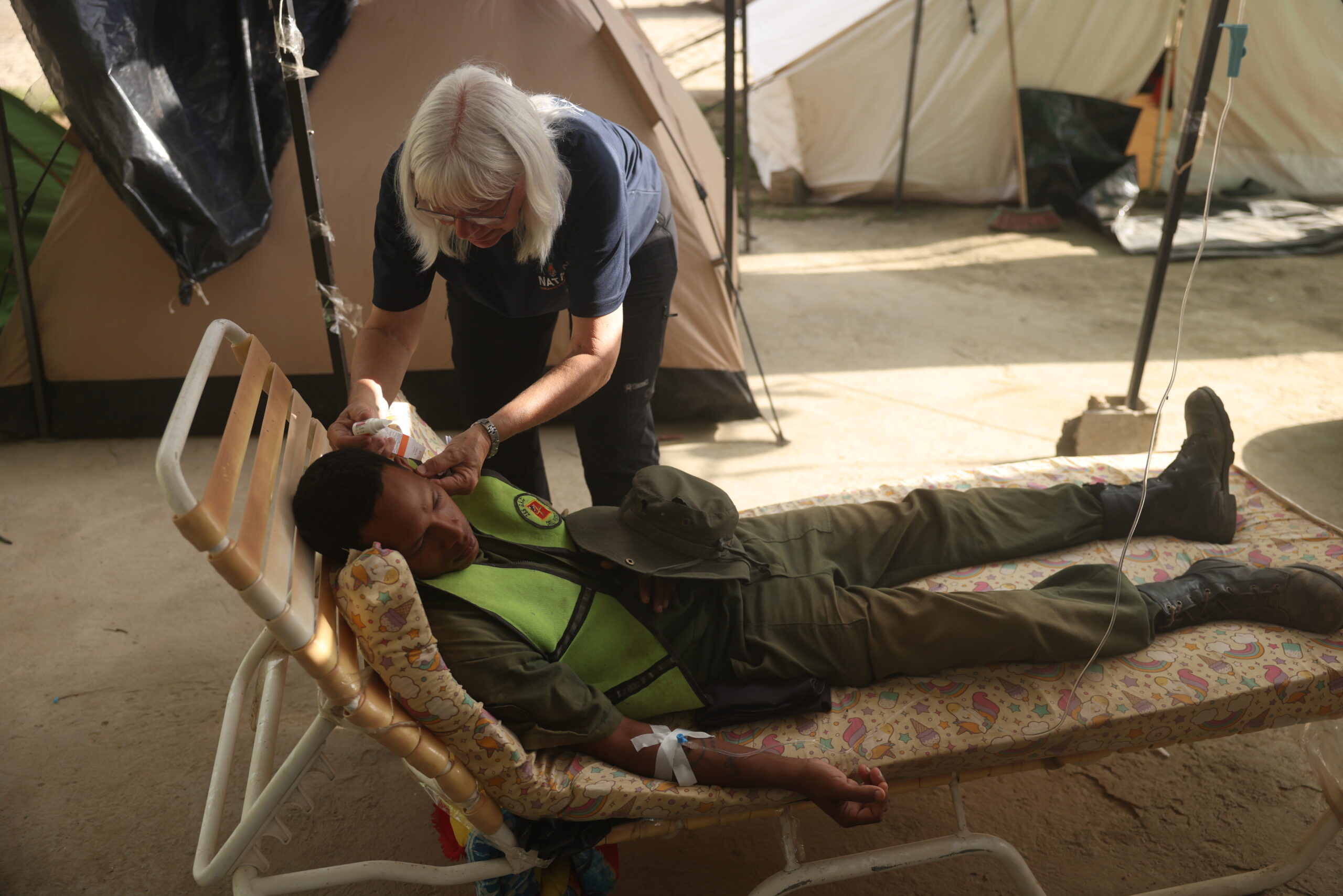
The team walked tent to tent, conducting rapid health assessments and offering immediate care.
“As we went through the encampment, we did what we could to help—checking vitals, dressing wounds, delivering basic care,” explains Dr. Ron Jacob. “Although the physical medical needs we treated directly were basic, the role of a doctor in that setting goes beyond medicine. It allows you to reach out to people who have lost everything and remind them of their humanity when they feel completely abandoned.”
Inside the team, daily debriefs kept operations focused and morale steady amidst the emotional weight of the disaster zone. Regular evening reflection sessions allowed the team to process difficult events, adapt their strategy, and build a unified approach for the ongoing medical relief effort.
Helping the Helpers: The NATAN Approach to Sustainable Aid
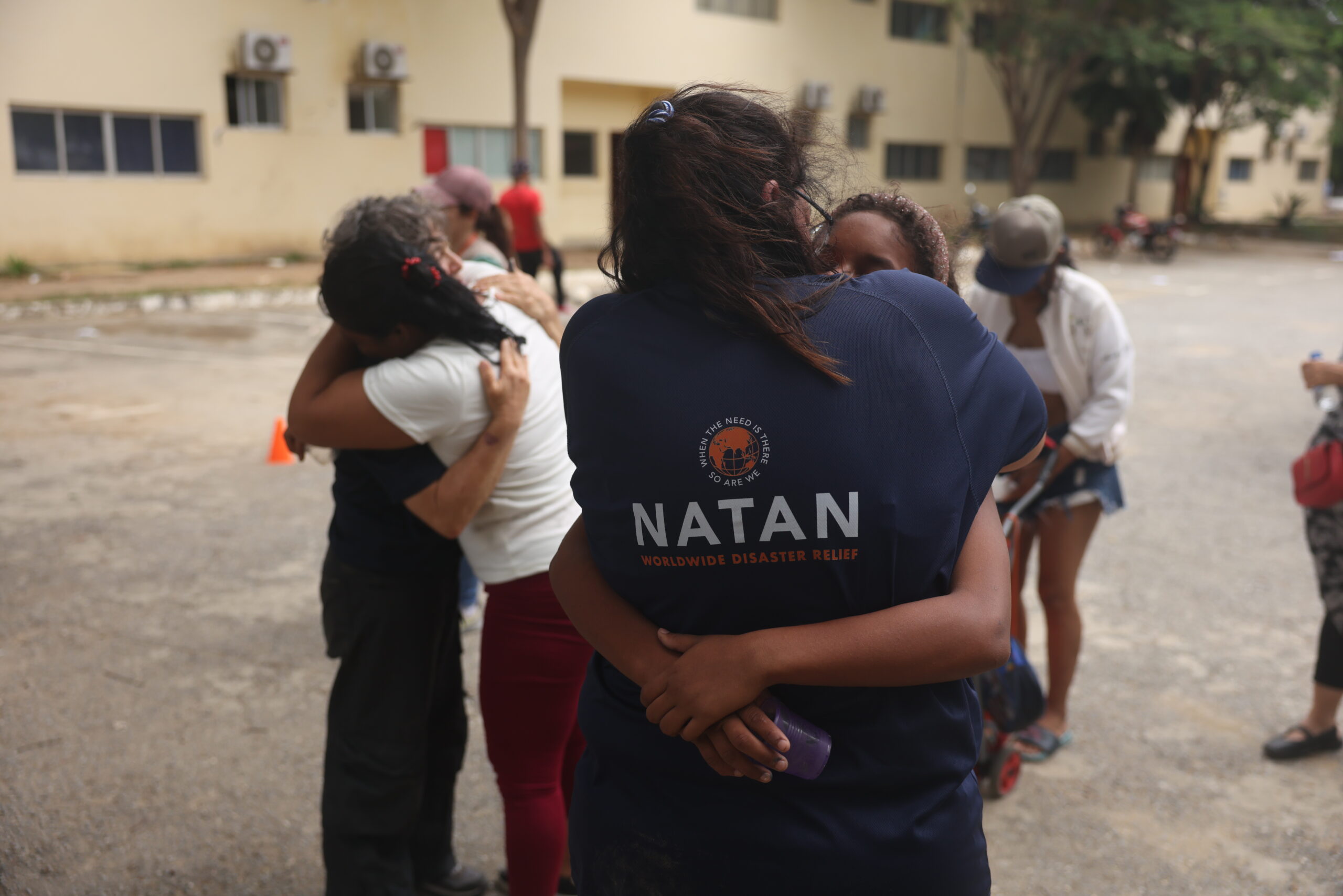
A cornerstone of every NATAN Worldwide Disaster Relief mission over the past two decades is a focus on “helping the helpers.” In major humanitarian crises, local aid workers and first responders are often overwhelmed by the sheer scale of trauma around them.
Because NATAN team members specialize in trauma intervention, a major focus of their work in Venezuela involved supporting local organizers, coaching local leaders on navigating emergency administration, and providing emotional support to frontline workers.
Udi emphasized the importance of humility and sustainability in international relief:
“It was important for me to take a step back and let the local organization take the lead. I made it clear to our partners: We are here to help. You are here to stay, and we are here to support you. We showed the way through active modeling—setting up systems and demonstrating trauma-informed care—and then stepped aside so they could carry it forward. This is the core philosophy of NATAN: empowering communities to heal themselves with respect and dignity.”
Through strong local partnerships, rapid field assessment, and direct psychological and medical aid, NATAN’s advance team successfully paved the way for ongoing, sustainable relief efforts across northern Venezuela.