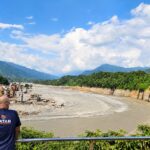
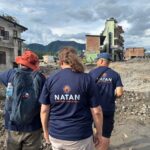
When flash floods and debris flows struck Nepal in August 2026, they took homes, roads and, for many families, any way of reaching a doctor. Thousands of people were left in displacement camps or cut off in remote areas where healthcare was already scarce.
We sent professional volunteer teams to reach them.
Bringing care to where people are
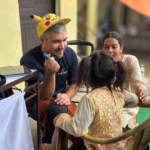
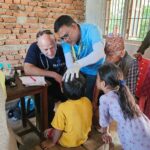
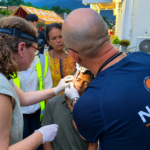
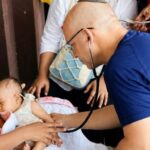
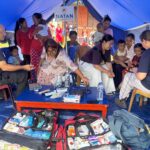
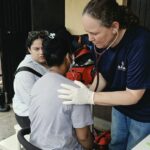
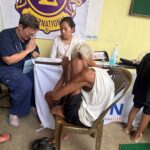
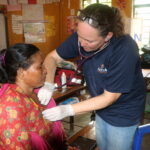
Our doctors and emergency physicians opened medical clinics in displacement camps and in remote locations, bringing care directly to families who could not get to it. They treated injuries, infections, dehydration and chronic conditions, and saw hundreds of patients.
They worked alongside local doctors and nurses, filling critical gaps while Nepal’s health system recovered.
Care for more than the body
The people who survived the floods needed more than medicine. They had lost homes, belongings and their sense of safety.
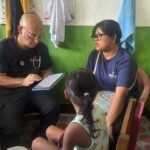
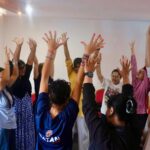
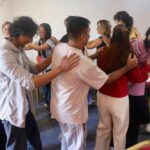
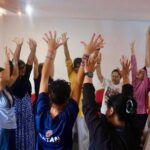
Our psychosocial professionals trained dozens of local social workers in trauma-informed care, psychological first aid and community support, so that emotional care would not depend on visiting teams.
Why we come to serve, but not to stay
This is how NATAN works. We arrive quickly to fill gaps in care until official systems, challenged by the disaster, revive and resume.
In Nepal, our professional volunteers have now returned to Israel. The social workers we trained remain in place to support families in the months and years ahead.
In our board chair’s words
“What stayed with us in Nepal is how much it mattered to people simply that someone came. Our volunteers gave everything they had, but the real measure of this mission is what happens now. The social workers we trained know these communities from the inside, and they will be there long after any international team could be. We are deeply grateful to the local doctors, nurses and partners who welcomed us and let us work beside them.”
Gil Reines, Chair of NATAN’s board