This post is a translated excerpt from a feature story originally published by Zman Israel (Time Israel), highlighting NATAN Worldwide Disaster Relief and other Israeli humanitarian organizations that redirected their global disaster expertise to help Israelis recover after October 7.
When disasters strike around the world, Israeli humanitarian organizations are often among the first to respond. But after October 7, those same experts turned their global experience inward — to help Israel recover from its own trauma.
Just two days after the Hamas attack, the NATAN Worldwide Disaster Relief team deployed mobile clinics to Eilat, the Dead Sea, and Shefayim, offering compassionate care to citizens struggling with both physical pain and emotional shock.
“One of the first things we noticed at the Dead Sea,” says Gil Reines, NATAN’s chairperson, “was that many people came in with broken teeth — grinding from stress and trauma. We immediately produced dozens of protective dental guards.”
Similar clinics were established in Eilat, where NATAN’s volunteers worked with local technicians to provide quick, subsidized treatments. “We even helped a man from Be’eri who had lost his dentures when his home was destroyed,” Reines recalls. “Our volunteers didn’t hesitate — they made him a new set within a day.”
From Global Relief to Local Response
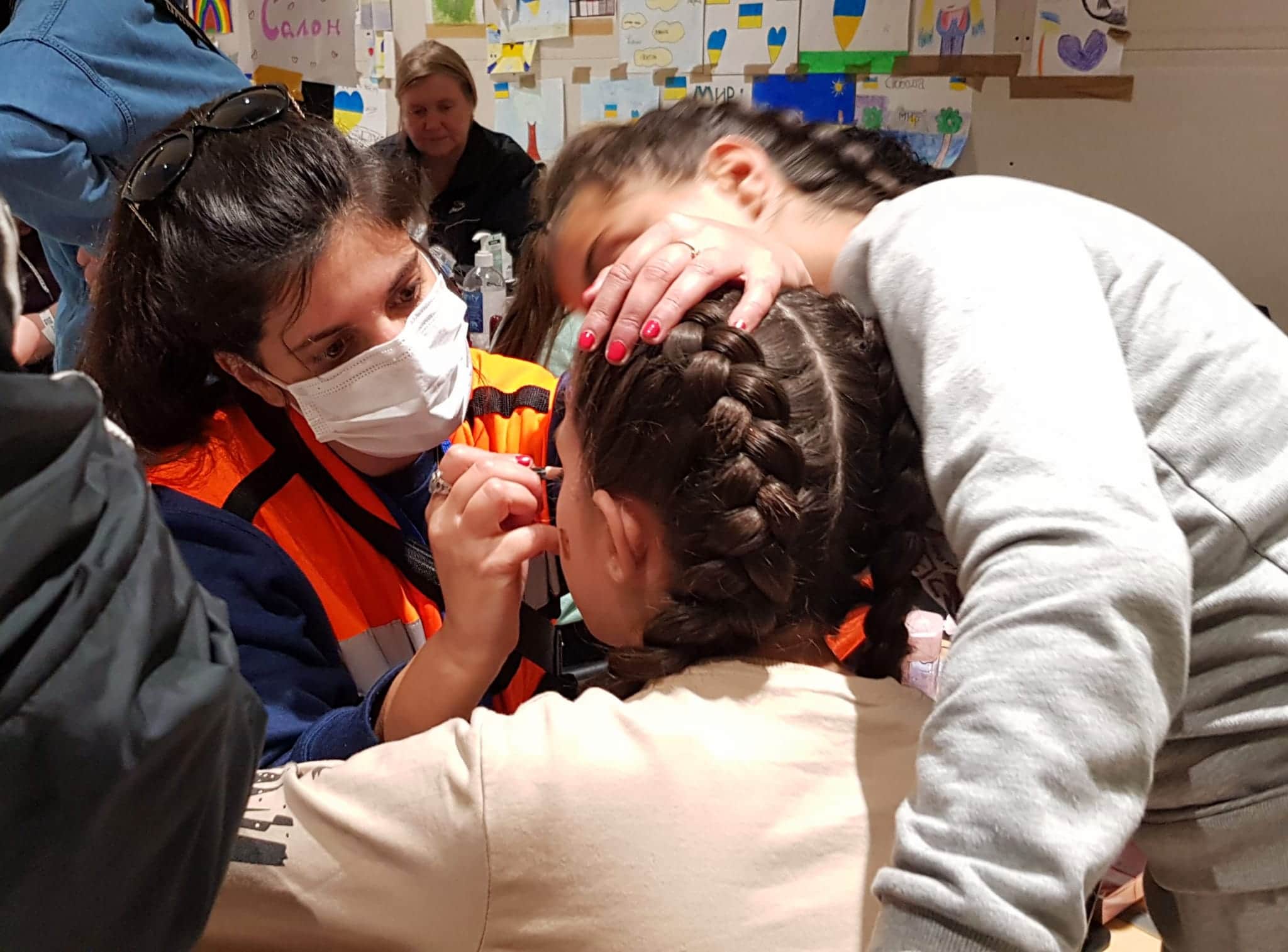
Before October 7, NATAN teams were active in Morocco and Ukraine, assisting refugees and displaced families in crisis zones. Within 48 hours, those same doctors and nurses pivoted to serve evacuees inside Israel.
During the first months of the war in Gaza, NATAN treated over 3,500 displaced Israelis, operating mobile clinics and resilience centers until the national health system could take over. They also managed a resilience hub in Ofakim for two years, later transferring its management to the municipality.
Extending the Net of Care
Now, amid renewed tensions with Iran, NATAN is active in Majd al-Krum in northern Israel, training local hotline teams to respond effectively to citizens under stress. Social workers from NATAN provide guidance and emotional first aid — bridging gaps where formal services struggle to reach.
“Our strength lies in arriving where systems break down,” says Alice Miller, NATAN’s CEO. “In Ukraine, we cared for refugees on the Polish border. In Israel, the same model helped evacuees facing psychological and medical trauma.”
Every NATAN operation is powered almost entirely by volunteers. Apart from two paid staff — the CEO and operations manager — the organization runs through humanitarian professionals offering their time freely.
Bringing Global Lessons Home
Several NATAN initiatives were born directly from the group’s international missions. Their free mobile clinics for women in prostitution, extreme poverty, and undocumented situations in Haifa and Tel Aviv grew from their refugee work in Serbia.
“When COVID hit Europe,” Miller explains, “we returned home with all our medical equipment. Instead of storing it, we used it to serve vulnerable communities in Israel. What we learned in Serbia, we brought back here.”
Compassion Without Borders
Beyond domestic activity, NATAN continues to extend help abroad — in Syria, supporting children with disabilities and providing specialized bandages for burn victims, and in Gaza, distributing reusable menstrual pads and preparing assistance programs for children with special needs.
Funding comes mainly from North American Jewish donors, who recognize the unique value of Israeli humanitarian outreach worldwide.
“Our mission is simple,” Miller concludes. “When someone arrives at a NATAN clinic, we don’t ask ‘Who are you?’ — we ask ‘What do you need?’ That spirit of compassion defines both our global and local work.”
From makeshift clinics under a tree in Mozambique to trauma recovery centers across Israel, NATAN’s teams exemplify the best of Israeli humanitarianism — turning global experience into homegrown healing.