This story was originially posted on Walla News.
While the world closely tracks the death toll and dramatic rescues from the rubble in Venezuela, Udi Cohen, Head of Mission for NATAN Worldwide Disaster Relief, walks through the makeshift tent cities and shattered streets to meet those left behind.
In an exclusive interview from the field, Cohen describes a harsh reality of severe medical shortages, compounding sanitation crises, and heavy emotional trauma. “We didn’t come here to save the world,” he says. “We came to help people stand up again.”
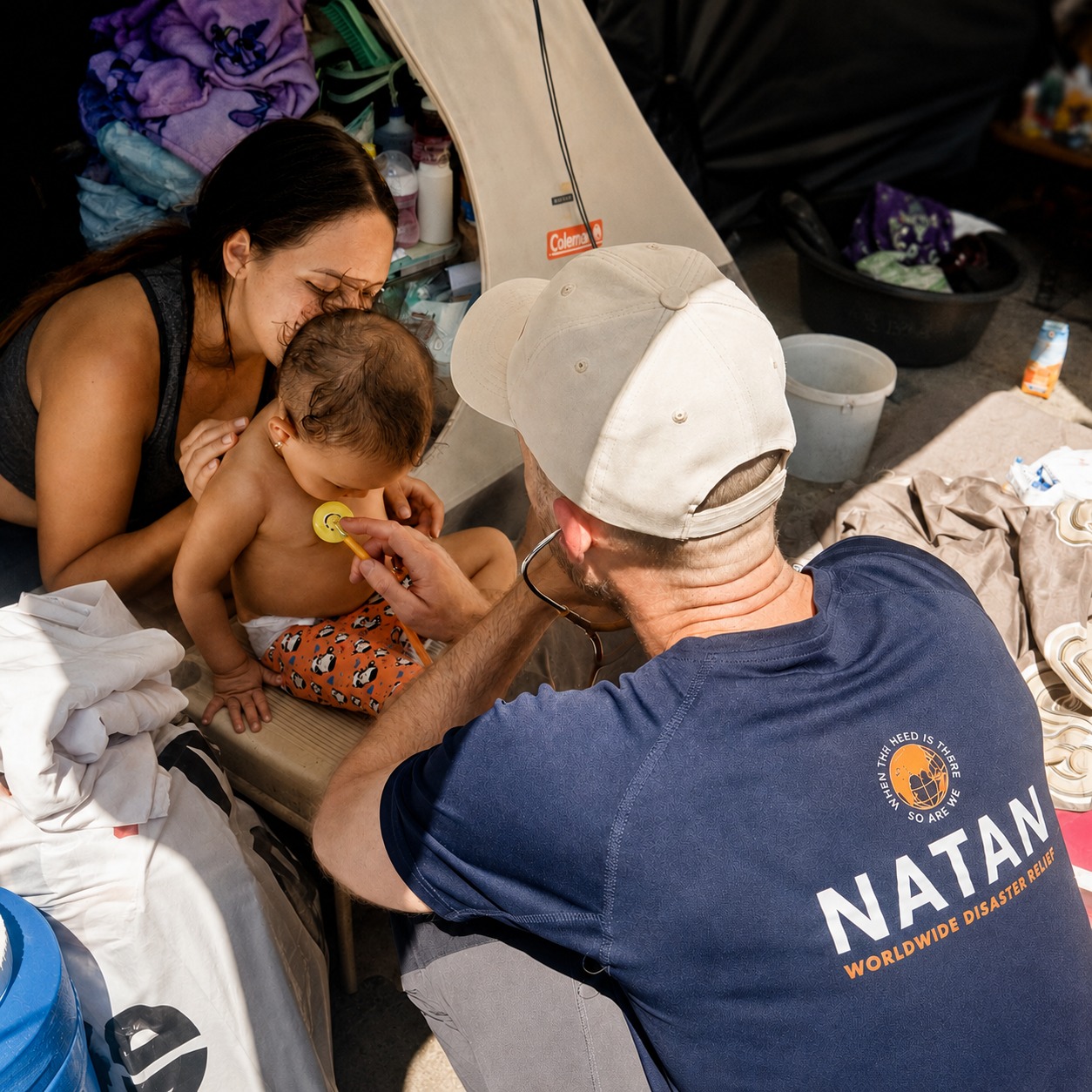
Beyond the Rescue: The Impending Humanitarian Crisis
As rescue teams continue searching the ruins for miracles, a much longer and more complex phase is beginning. Thousands have lost their homes, and entire families are living in makeshift tents or directly on the streets. The core challenge is no longer just extraction; it is preventing a catastrophic humanitarian and health crisis.
“What you see on television is only a fraction of the reality,” Cohen explains. “There are entire neighborhoods where people are simply living outside. There are no toilets, no basic sanitary conditions, and in some areas, bodies remain beneath the rubble. These conditions can quickly lead to outbreaks of disease and infection.”
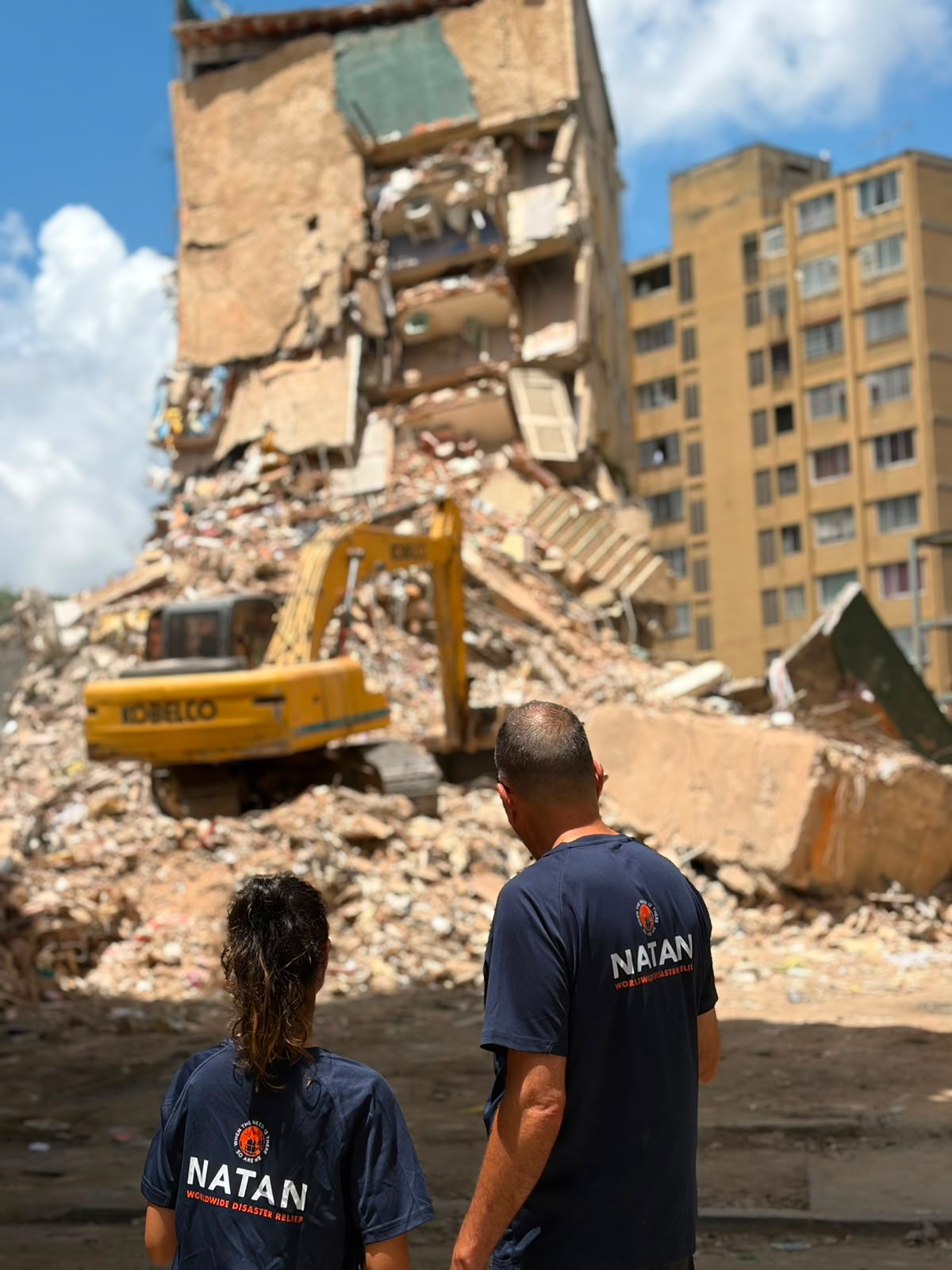
“Every Person You Meet Carries a Tragedy”
According to Cohen, one of the most urgent issues is the total disruption of routine medical care. “People lost everything. Their medications stayed inside destroyed homes, their documents vanished, and they have no way to access care. We are meeting chronic patients who have run out of the daily life-saving medications they depend on.”
Chaos is typical in the first days following a disaster of this scale. Many survivors fear moving to temporary camps due to overcrowding and poor living conditions, while others stay close to their ruined property hoping to return. Houses may still be standing, but they are unsafe until engineers inspect them. “People just sit next to their homes and wait, not knowing when or if they will ever be able to return.”
However, Cohen notes that the physical destruction is not the hardest part of the mission; it is the daily encounters with survivors. “Every story here is an entire world. We spoke to people who lost their entire families. Others lost their homes and everything they owned. You move from tent to tent, and every single person carries a different tragedy.”
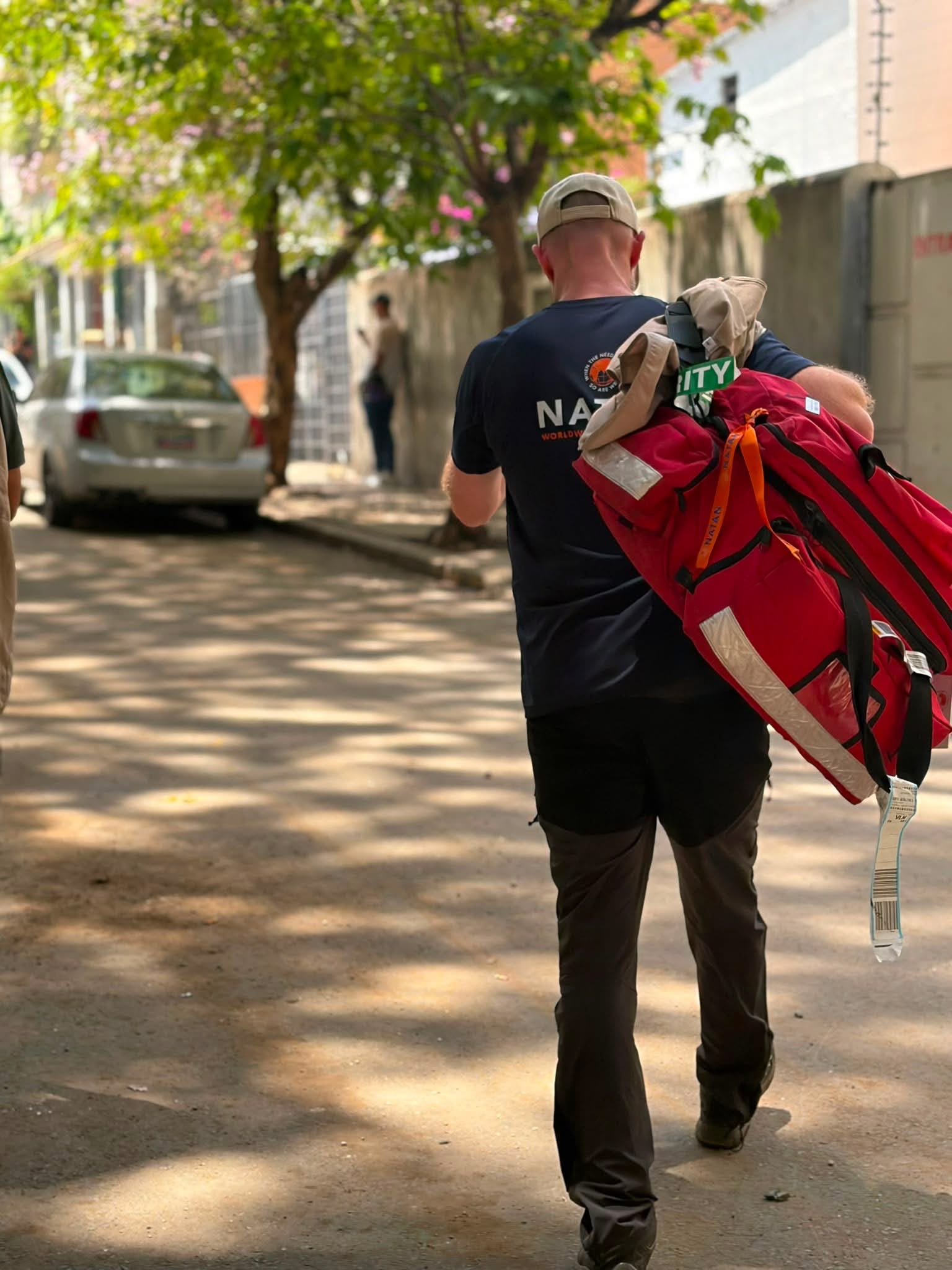
Mental Health and Community Rehabilitation
Certain scenes are impossible to forget. “We reached an elderly disabled man lying inside a tent in the blistering heat, with his wife, who uses a wheelchair herself, trying to fan him. These are moments that are incredibly difficult to process.”
Children are also heavily impacted. “You see kids who have lost everything, wandering the streets all day because there is no structure or school left. Together with local organizations, we are trying to set up activities and safe spaces for them, because beyond the physical needs, there is immense trauma here.”
NATAN emphasizes that effective disaster relief goes far beyond immediate medical checkups. “We arrive with a physician, a social worker, and medical supplies, but the work is much broader. We operate alongside local leaders, partner aid organizations, and the community itself. The goal is to help them reorganize, build frameworks for children, identify vulnerable populations, and strengthen community resilience.”
During the immediate aftermath of a disaster, the risk to vulnerable groups increases dramatically. “Women, children, the elderly, and people with disabilities become highly vulnerable when living on the street or in tents. We have to address that actively.”
“Everyone is talking about the death toll, but the real story is the survivors,” Cohen says. “There are hundreds of thousands of people left without a home, without medicine, without a framework, and without certainty. They will need help long after the headlines fade.”
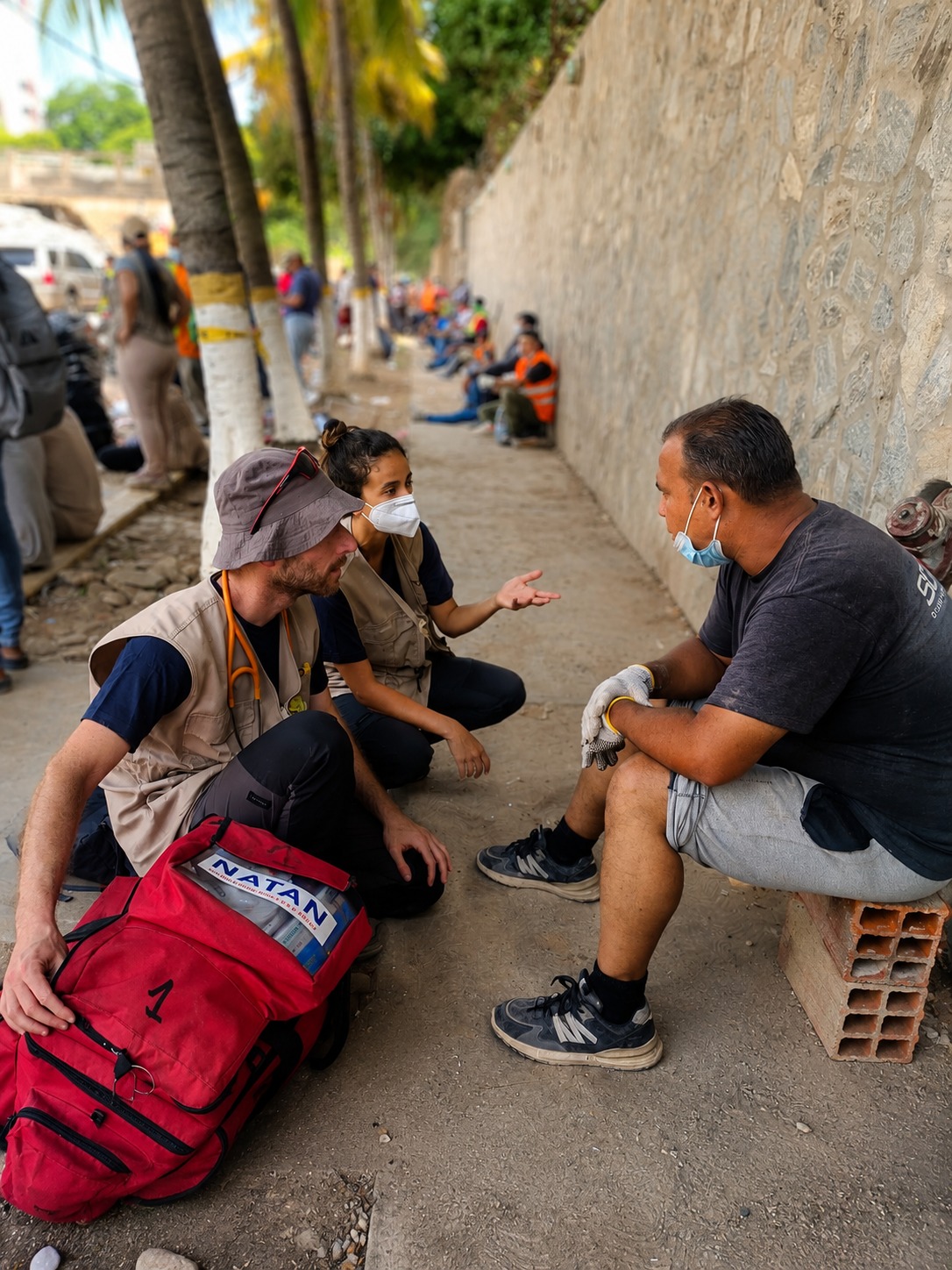
A Warm Welcome in the Field
Despite the complexity of the situation on the ground, the team has received a remarkably warm welcome. “We do not hide where we are from. The local Jewish community has embraced us extraordinarily well, providing significant logistical support and helping us connect with local entities. The local population deeply appreciates anyone who comes to help. Anyone arriving with a genuine desire to assist is received with love.”
NATAN’s team operates in close coordination with additional aid delegations and local authorities to maximize impact.
“We didn’t come to replace anyone,” Cohen concludes. “We came to help the local people help themselves. Ultimately, this is our approach anywhere in the world: to work with the community, to strengthen it, and to be there for those who have lost everything. It doesn’t always photograph as dynamically as a dramatic rescue, but this is the work that truly changes lives.”