In the wake of the catastrophic floods that ravaged Kerala, India, in 2018, a unique bridge was built between the Indian-Jewish community in Israel and the people of southwest India. Driven by a deep sense of shared heritage and humanitarian duty, NATAN Worldwide Disaster Relief—in partnership with local representatives—embarked on a critical mission to the Kuttanad region.
Looking back from the perspective of 2026, this mission remains a powerful case study in how cultural empathy and professional assessment create a roadmap for long-term community resilience.
The Context: A Million Without Homes
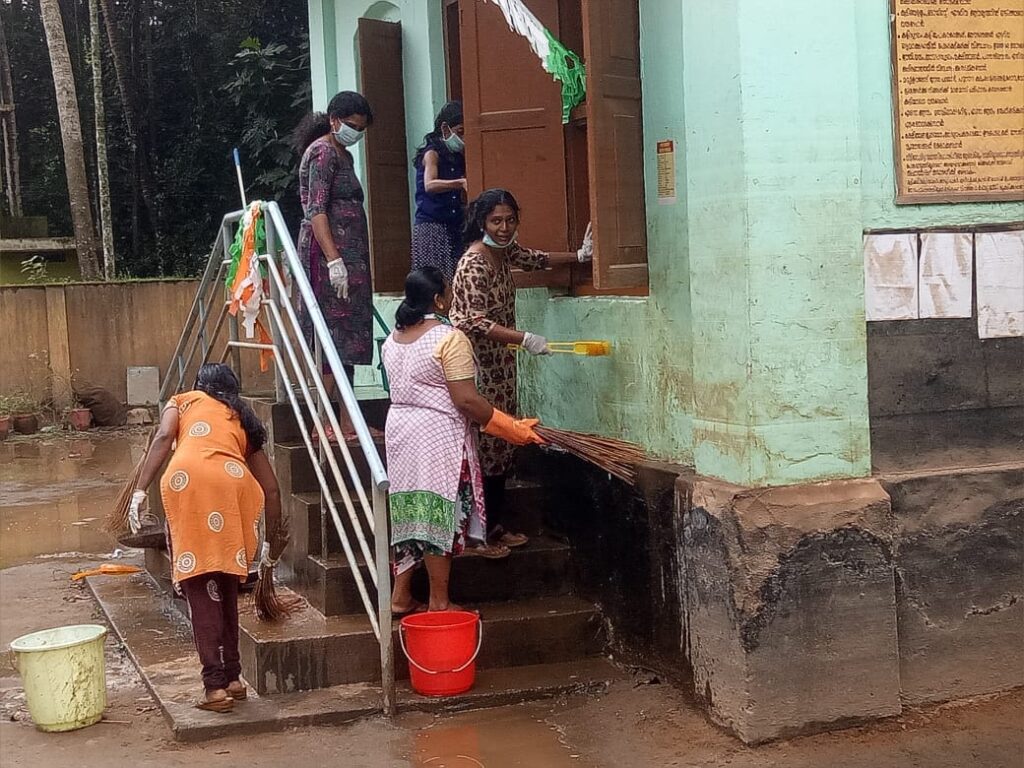
Between May and August 2018, Kerala faced its worst monsoon season in nearly a century. The floods claimed 400 lives and displaced over a million people. By October, when the NATAN assessment team arrived, the initial chaos had subsided, but the psychological and infrastructural scars remained deep.
The delegation was a multidisciplinary team designed to address every facet of recovery, comprising experts in emergency medicine, construction management, and psychosocial support, including a specialist fluent in the local language, Malayalam.
Mission Focus: From Heritage to the Heartland
The mission served two distinct purposes. First, the team visited Cochin to assess the needs of the local Jewish community. While several families suffered significant property damage, their historic synagogues remained intact, and the community was already deep into the process of rebuilding.
Second, at the request of the Indian government, the team moved to Kuttanad, known as the “Rice Bowl of Kerala.” This stunning agricultural landscape sits below sea level, making its families particularly vulnerable to rising waters.
The Assessment: Life in Kannady Village
The team focused on Kannady, a village characterized by high unemployment and poverty. Through meetings with spiritual leaders, local women, and health officials, the team developed a “360-degree” view of the post-flood reality.
1. The Infrastructure Gap
While residents felt a brief “euphoria” upon being rescued during the floods, that feeling turned to frustration as the months passed.
-
Sanitation: Most latrines were destroyed or improvised with simple materials.
-
Water: Drinking water relied on harvesting rain via simple pots and cloths. Residents were required to boil water for safety, though this was not always possible.
-
Housing: Homes were plagued by mold, soot, and structural cracks. Many residents were afraid to repair their homes themselves, fearing they would lose eligibility for government compensation.
2. The Social Fabric
Despite the poverty, the village possessed incredible social capital:
-
Strong Matriarchy: The women of the village were vocal, influential, and highly organized.
-
Educational Dedication: Families prioritized schooling even in the face of extreme financial lack.
-
Religious Harmony: Hindu and Christian leaders worked side-by-side, eager to cooperate with international aid.
3. The Vulnerable
The elderly (comprising 20% of the population) reported high levels of loneliness and uncertainty. Meanwhile, teenagers were identified as a group at risk, with local reports indicating a rise in alcohol use following the crisis.
The Roadmap: Recommendations for Recovery
NATAN’s assessment concluded that the key to recovery was “activation” rather than just “aid.” The team proposed several operational shifts:
-
Community Empowerment: Instead of relying solely on external teams, the mission suggested engaging residents in village cleaning and recycling programs, providing both income and a sense of agency.
-
Integrated Health: Leveraging the local ASHA (Accredited Social Health Activists) network to provide psychosocial support alongside their medical duties.
-
Youth Engagement: Using schools as hubs for hygiene education and prevention programs, led by the local youth themselves to foster leadership.
A Legacy of Solidarity
The mission to Kerala was more than a technical survey; it was a gesture of solidarity. As the team noted in their findings, the residents didn’t just need bricks and mortar—they needed to know they were not forgotten by the global community.
By bridging the gap between international expertise and Indian local leadership, NATAN helped lay the groundwork for a village that does not just survive the monsoon but grows stronger because of it.