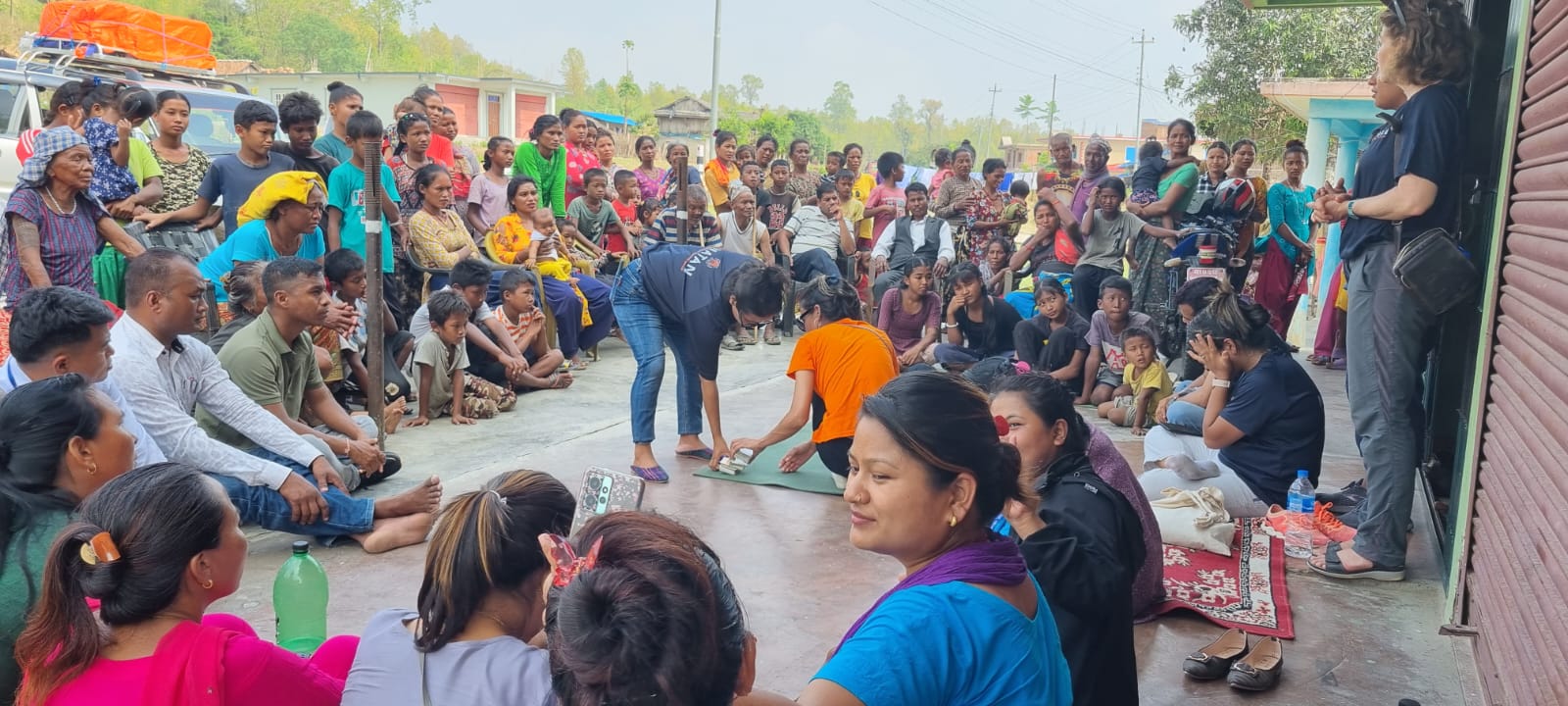
In the world of humanitarian aid, the most effective missions are those that transition from immediate relief to long-term community empowerment. Looking back at NATAN Worldwide Disaster Relief’s history in Nepal, specifically the pivotal years of 2015 and 2023, we see a clear trajectory of medical agility and strategic capacity building.
2015: Facing the Earthquake
Following the catastrophic 7.9-magnitude earthquake on April 25, 2015, NATAN was among the first international responders on the ground. While many concentrated on urban centers, our teams focused on the “unreached” mountain villages.
Rapid Medical Intervention
Aero-Medical Access: In the first days, NATAN doctors and paramedics utilized volunteer helicopters to reach villages cut off by landslides.
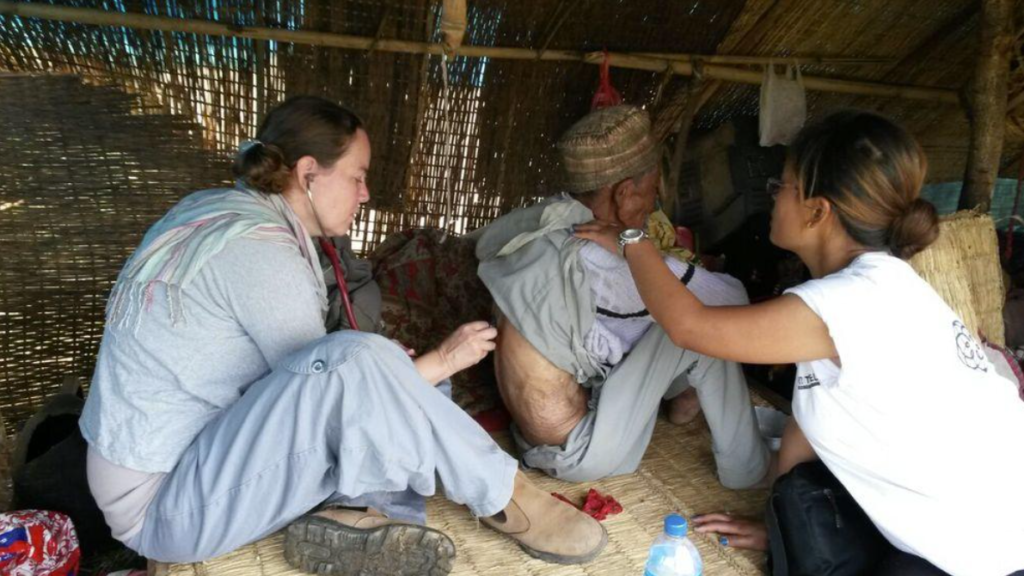
Field Clinics: Working out of makeshift shelters, teams treated hundreds of patients for trauma, infected wounds, and respiratory infections.
The “Bird of Stone”: Beyond physical aid, NATAN launched a symbolic campaign to raise funds for recovery, rooted in the Nepalese legend that the bird of Patan would bring abundance and end distress.
Trauma and Mapping
NATAN stayed through the second major earthquake in May 2015. During this time, we helped build a GIS mapping system to coordinate aid among various organizations and focused heavily on psychosocial first aid for children and teachers who were terrified to return to their classrooms.
2016: The Shift to Development
By 2016, NATAN moved from emergency aid to long-term health development. In the Dhading region, we implemented a three-stage Training of Trainers (TOT) program in partnership with the JDC and CIRDS.
Midwifery and Neonatal Care: 35 Female Community Health Volunteers (FCHVs) were trained in maternal health, giving them the tools to save lives in remote areas.
Sexual and Reproductive Health: Teams worked with youth leaders and teachers to address sensitive topics such as gender-based violence (GBV) and hygiene.
Community Projects: Graduates of the program went on to lead their own initiatives, including awareness plays and home-visit networks, reaching over 200 women in the district within the first year.
2023: Project HOPE – Protecting the Vulnerable
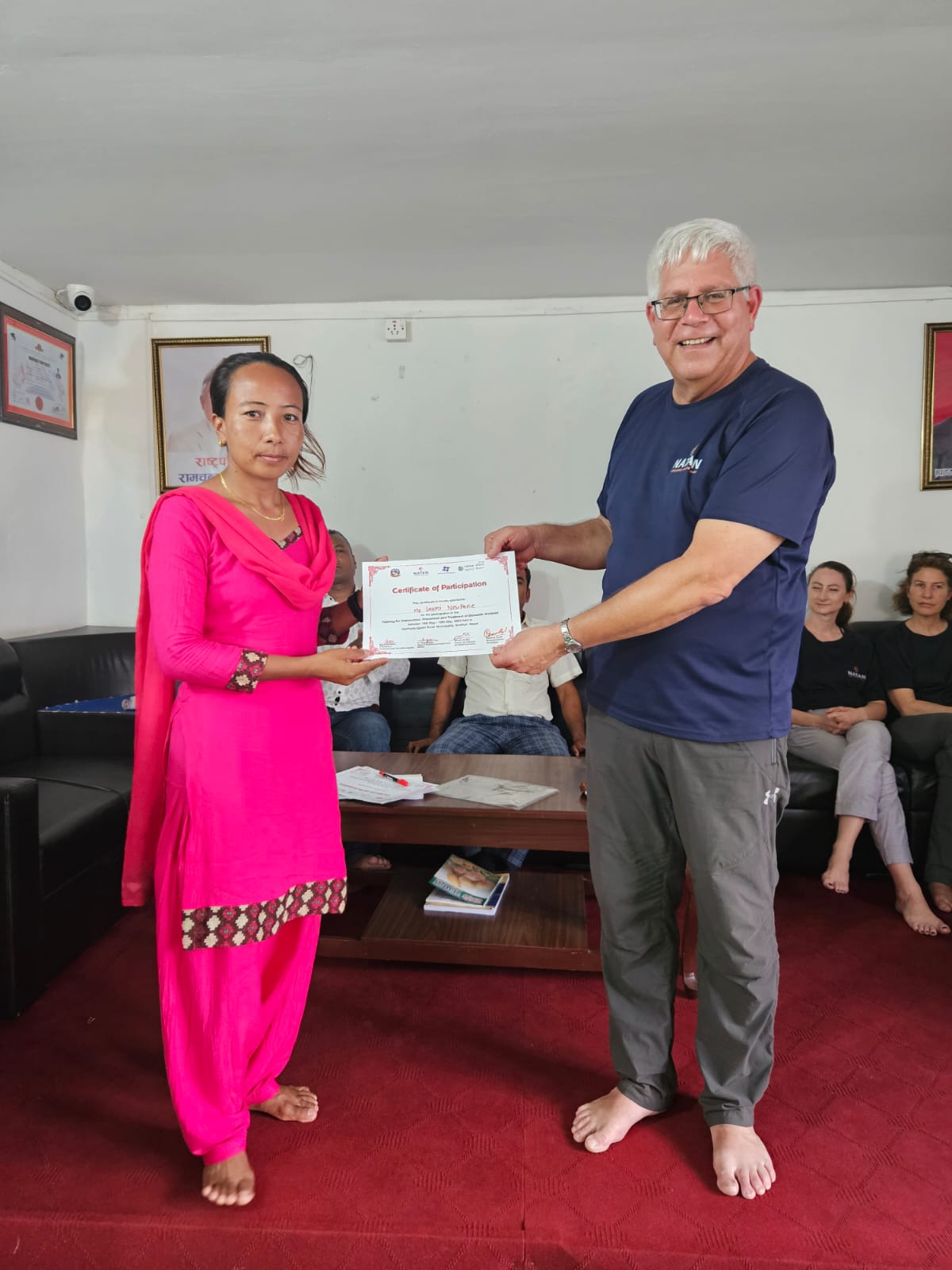
In 2023, NATAN returned to Nepal to launch Project HOPE (Tikva) in the Sindhuli district. This mission was a partnership with Relief Nepal and All Hands and Hearts, specifically designed to address violence against women and children.
A Community-Based Safety Net
NATAN deployed three delegations in 2023 to build a sustainable local infrastructure:
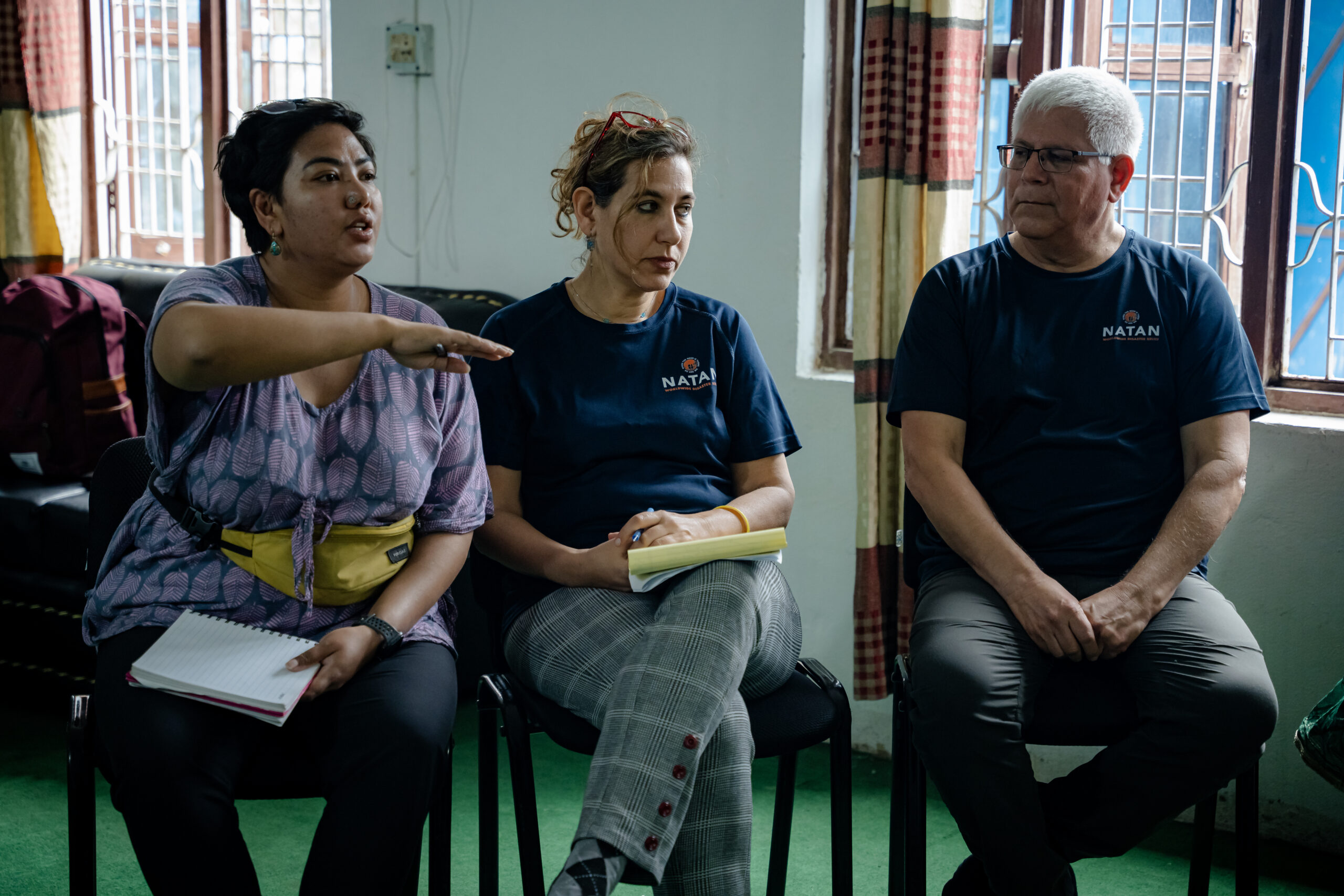
February: An assessment team met with over 100 local stakeholders to map the needs of marginalized groups.
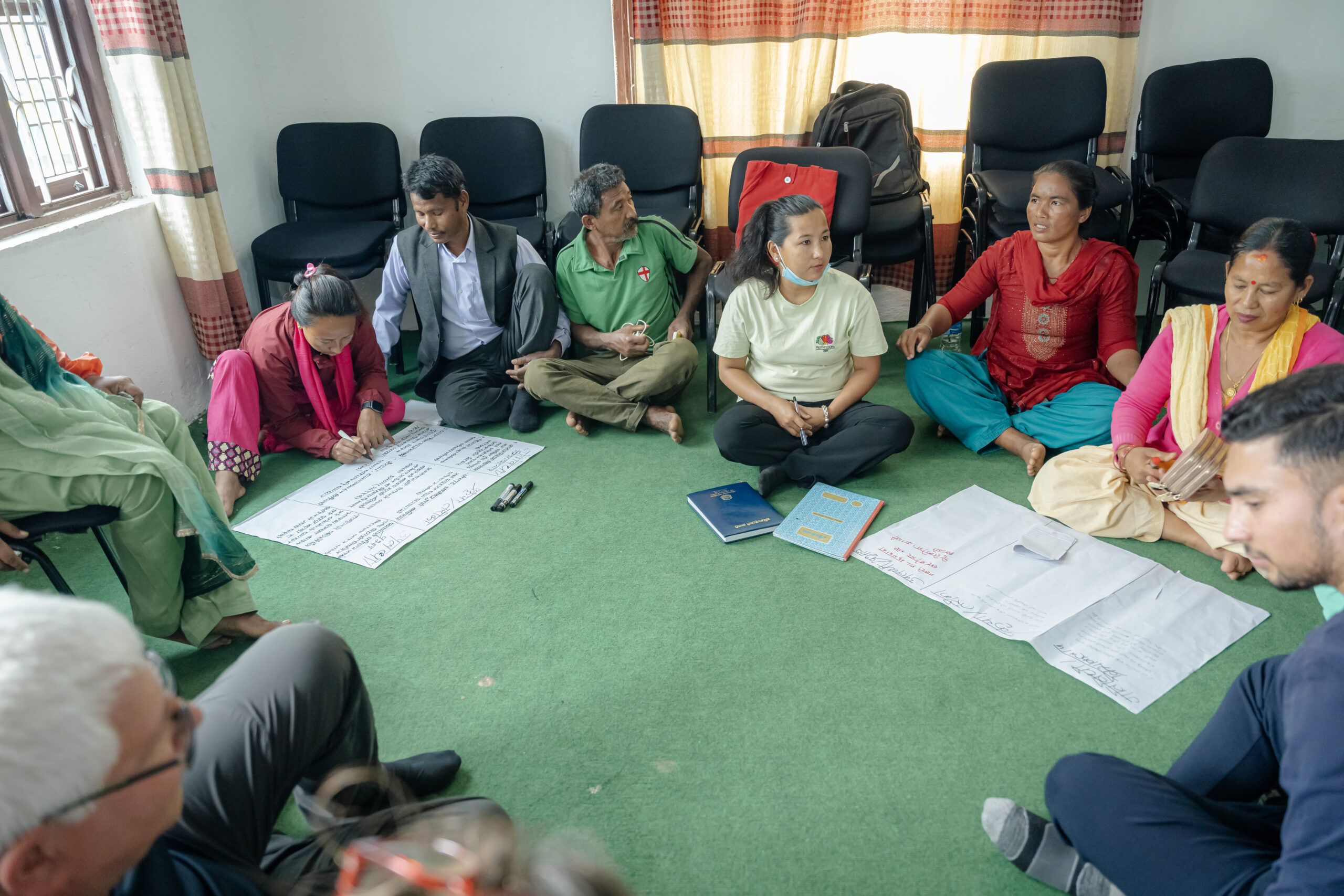
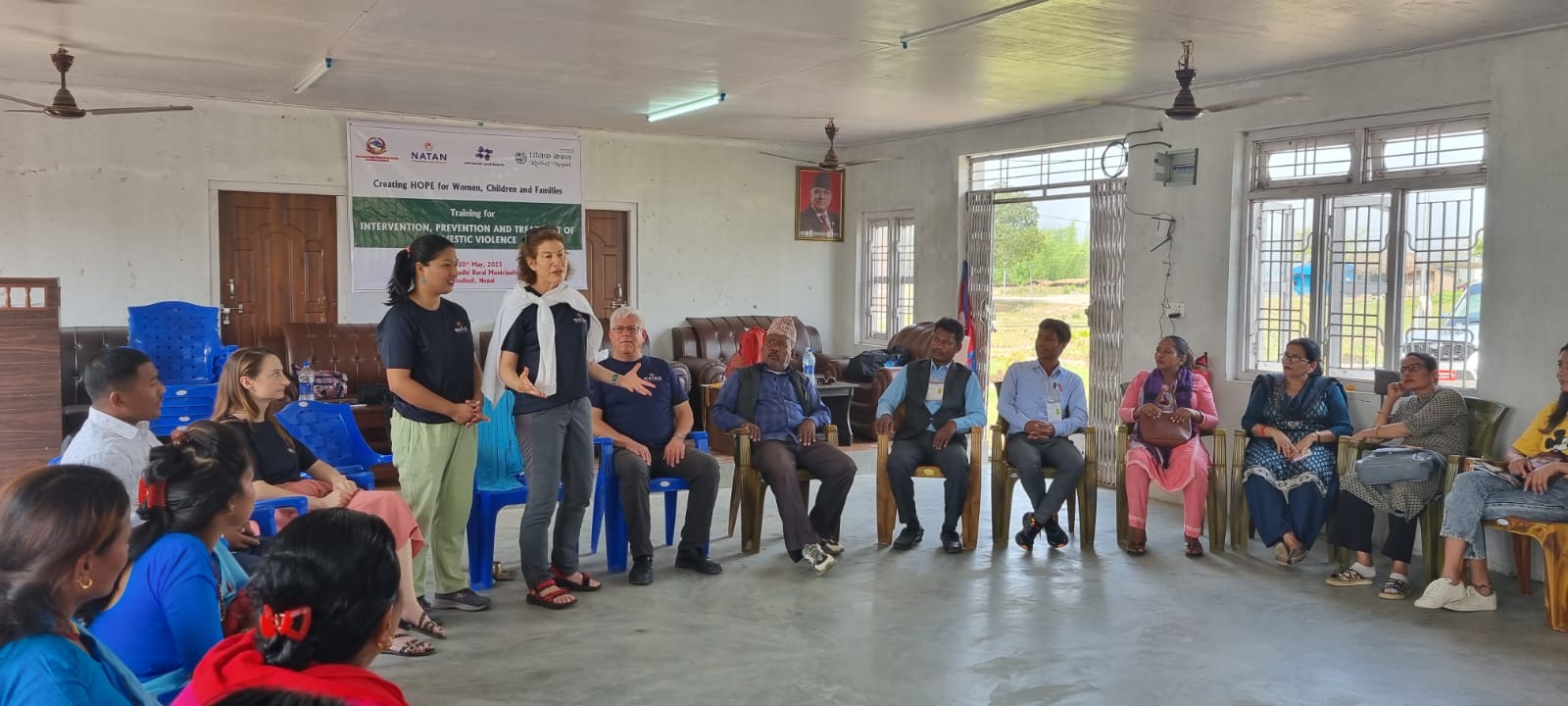
May: Orientation sessions on domestic violence and community resilience involved over 150 participants.
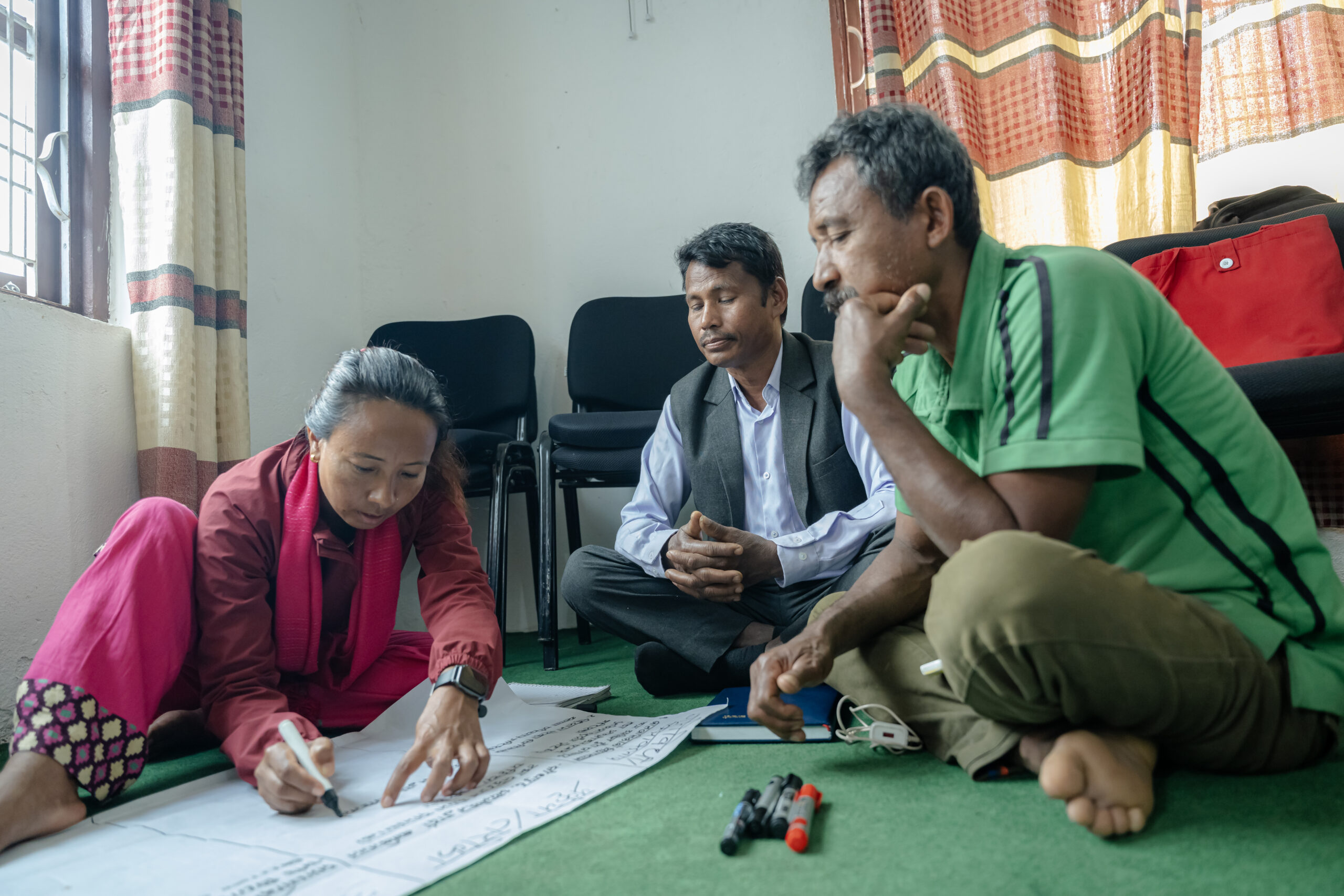
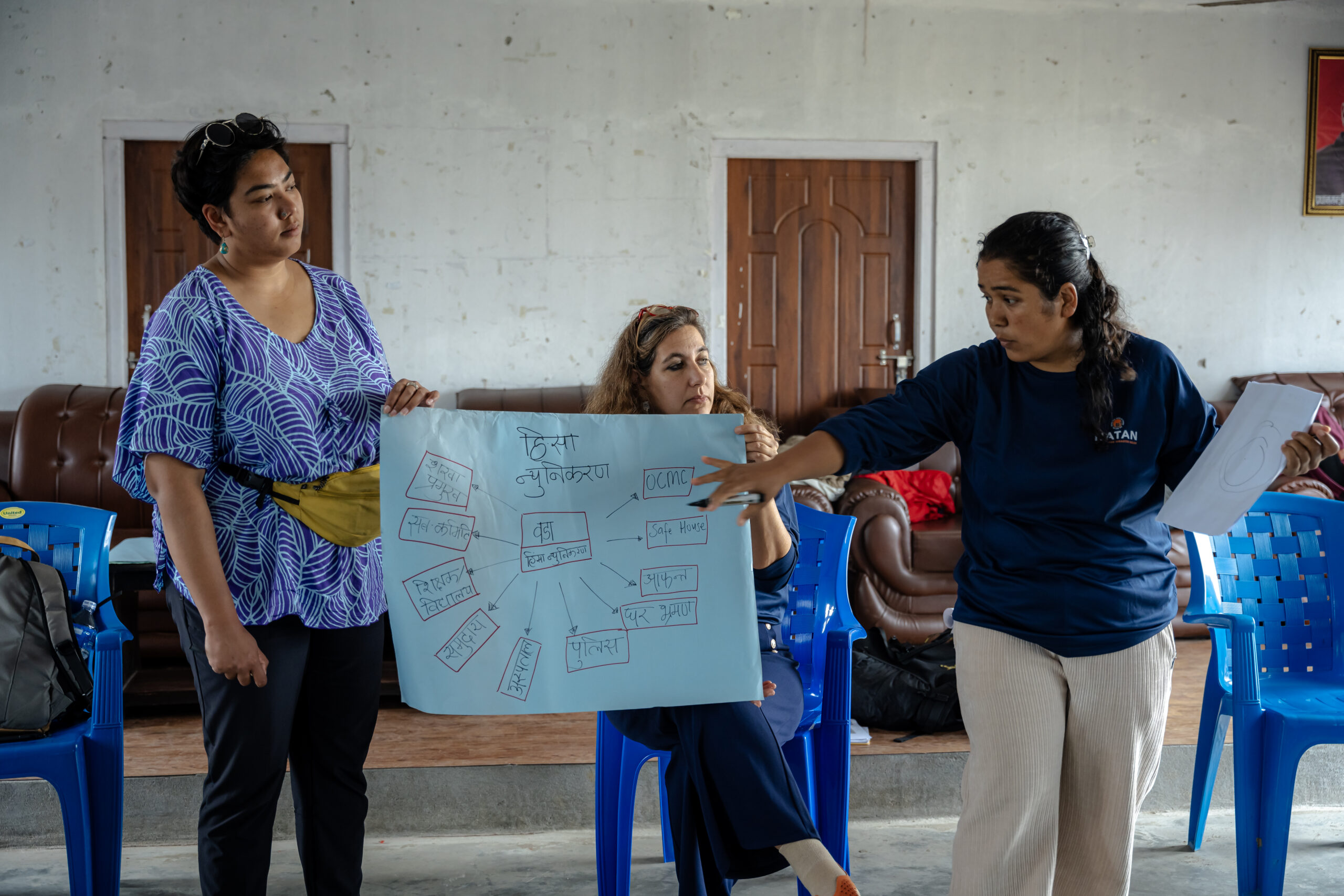
September: Extensive training was provided for three specific action channels: Education and Prevention, Home Visits, and Advocacy.
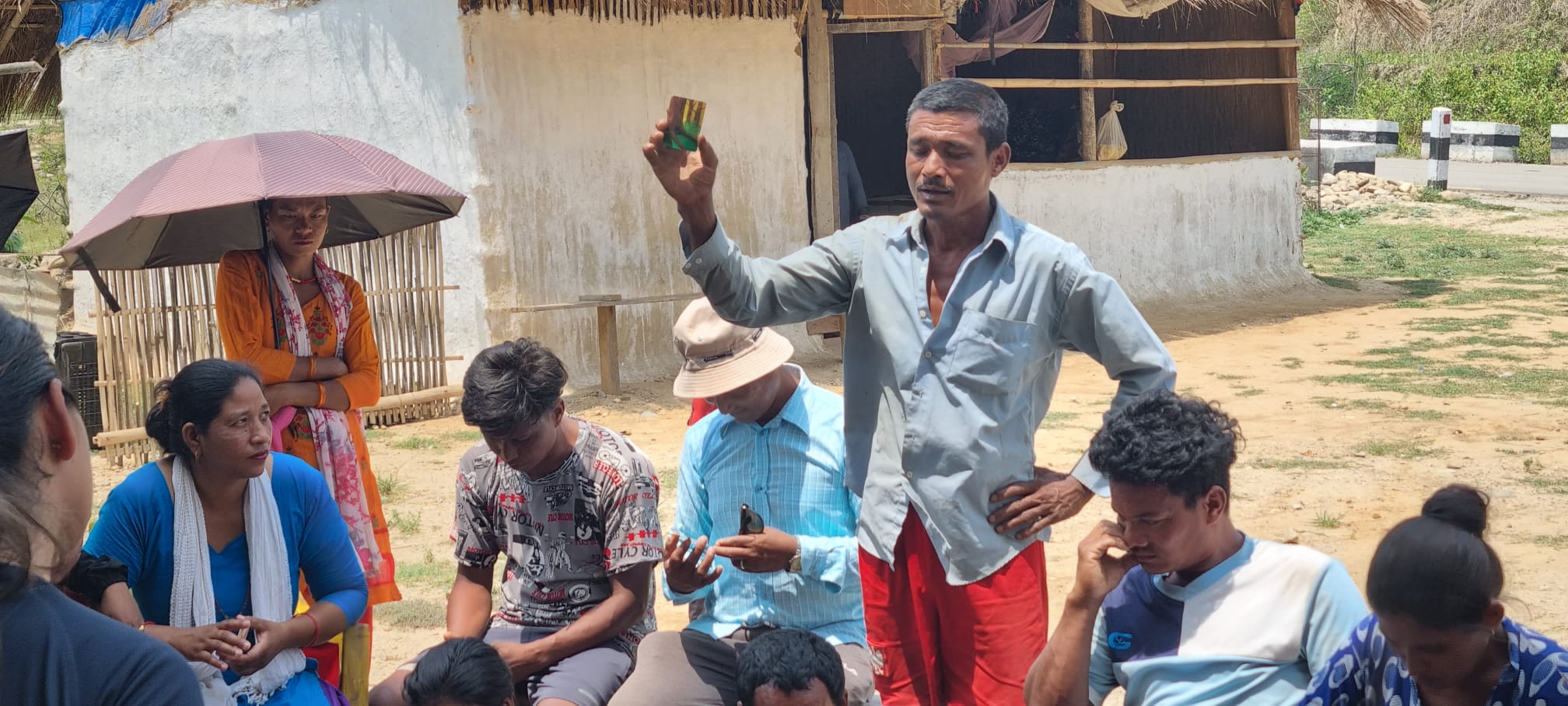
By the end of 2023, the project was fully operational in two local wards. A dedicated team of local coordinators and volunteers began conducting home visits and partnering with police and safe houses to handle violence cases with professional sensitivity.
Integrity in Action
From the rubble of 2015 to the community-led protections of 2023, NATAN’s work in Nepal has always been defined by operational integrity. We recognized that true relief means more than just handing out supplies; it means training local leaders so that the healing process continues long after the international teams have departed.