Israel Relief
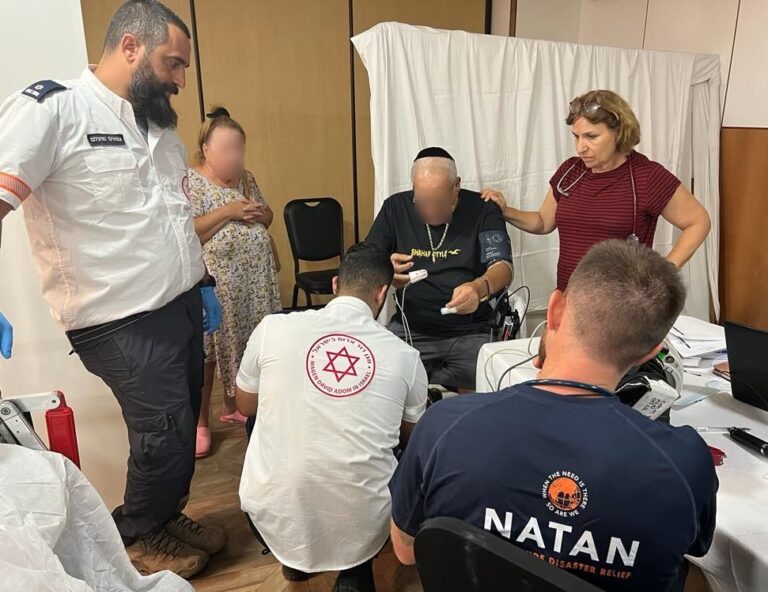
Mobile Clinics for Evacuees
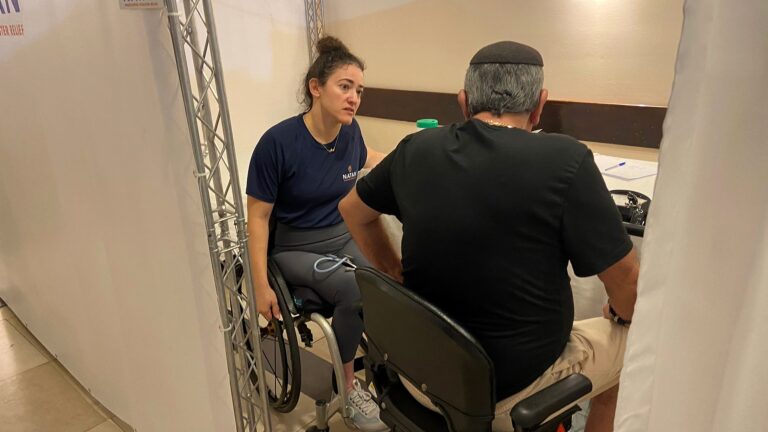
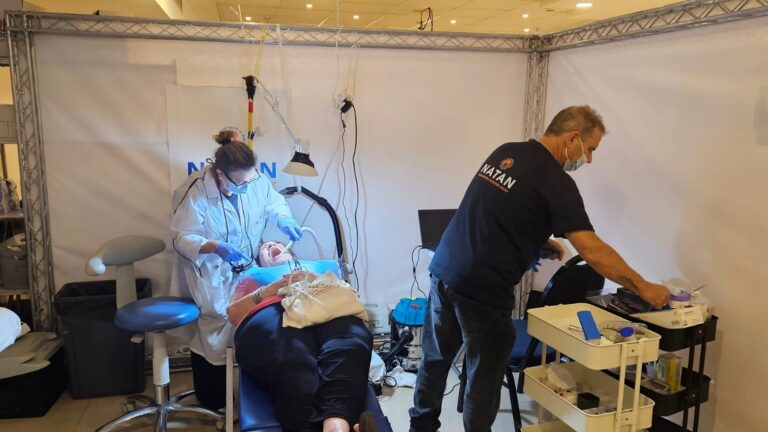
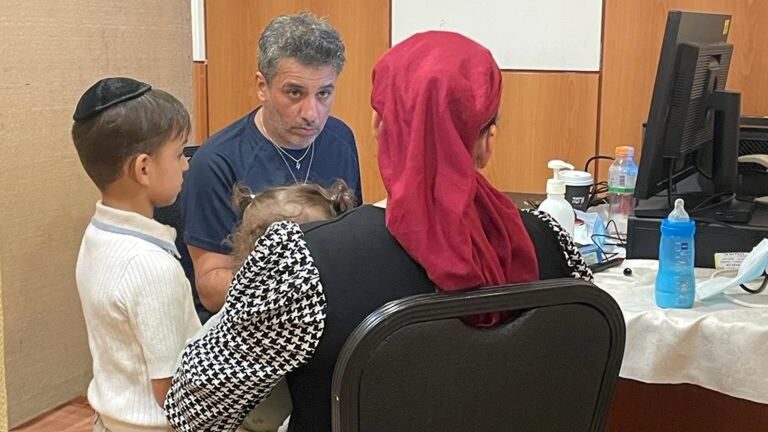
Following the terror attacks on 7 October 2023, thousands of residents from the Gaza envelope were displaced to hotels across Israel, lacking immediate access to their regular medical services.
Within 48 hours, NATAN established three primary care clinics in Shefayim, the Dead Sea, and Eilat, alongside two mobile dental units. These clinics operated seven days a week with a “zero bureaucracy” policy, serving as a bridge until permanent medical services could be restored.
+3,000
Patients treated since October 7
5
Clinics opened in Shefayim, Dead Sea and Eilat
260
NATAN volunteers (doctors, nurses, dentists...)
Sde Nitzan Community Healing Hub
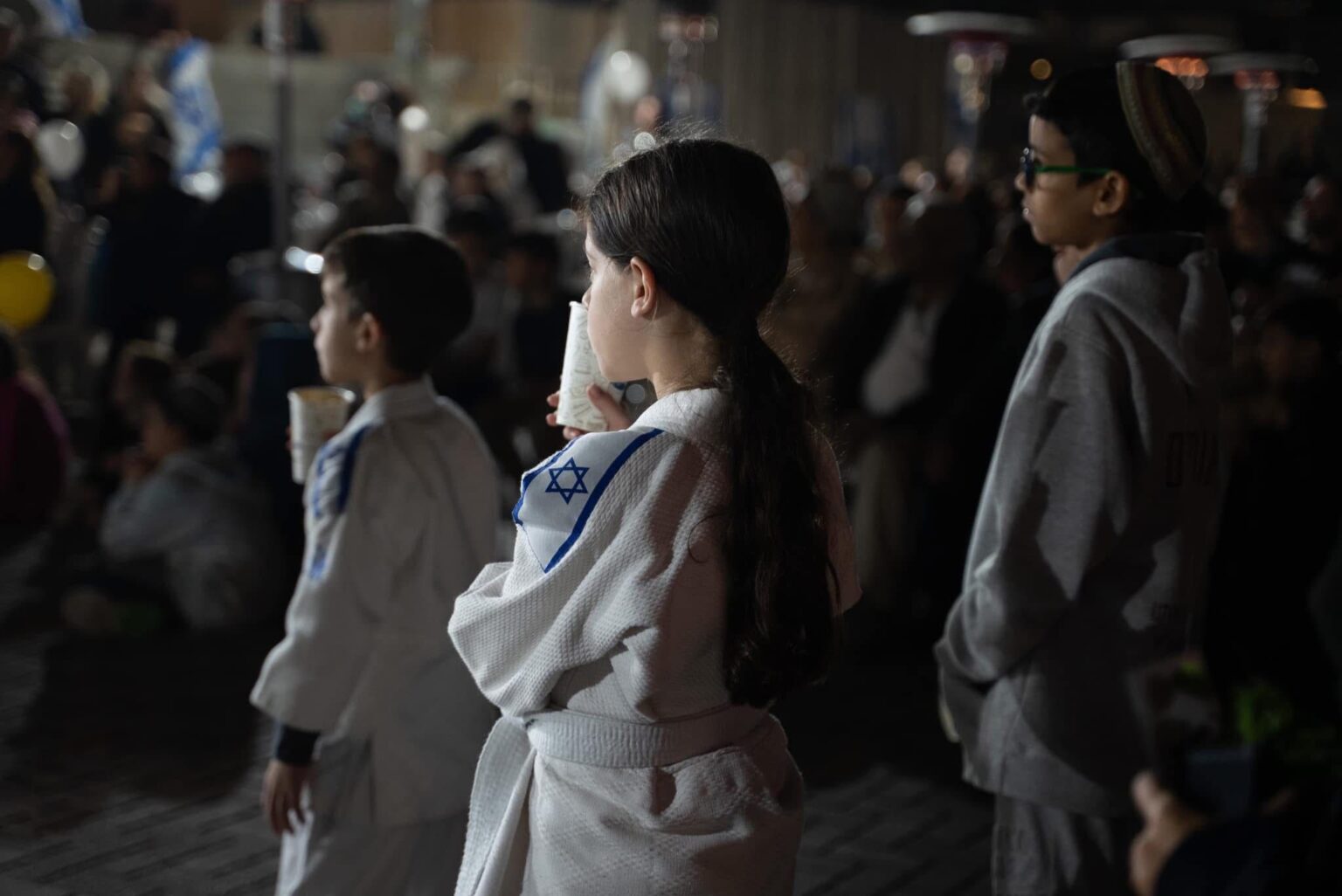
Residents of Sde Nitzan faced extreme difficulty accessing recovery resources due to falling just 200 meters outside the government’s official “Tkumah” rehabilitation perimeter following October 7.
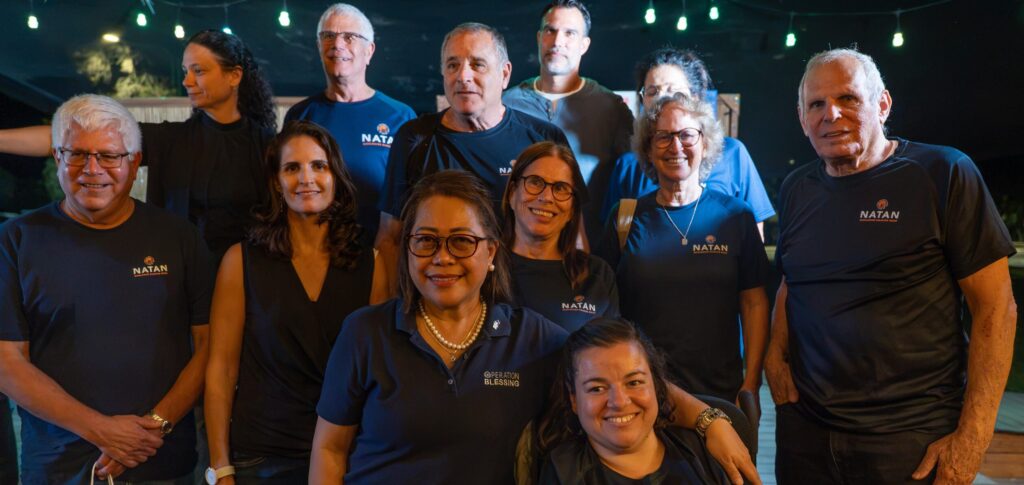
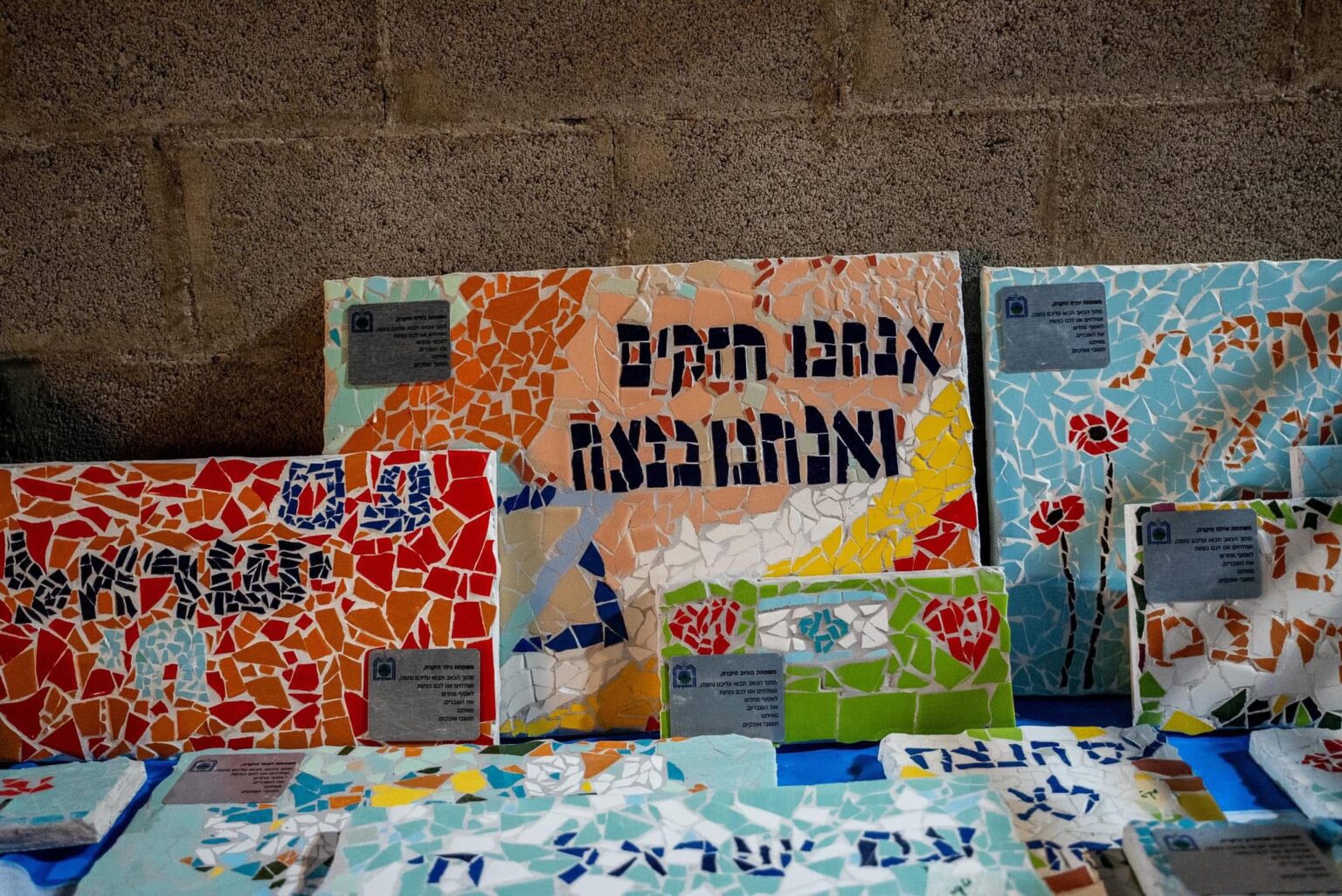
NATAN, in partnership with Operation Blessing and the local community, established a Community Healing Hub in a decommissioned arms facility. Residents built three dedicated recovery spaces to deliver psychosocial support, intergenerational programs, and soldier decompression sessions.
Restored community resilience and provided free psychosocial care to over 100 displaced families left without state recovery grants.
Ofakim
Following the heavy toll taken on the city during the October 7 attacks, Ofakim required long-term, deep-rooted community rehabilitation.
NATAN established the “Mashiv HaRuach” program which continues to serve as a central engine for strengthening community resilience, personal security, and social fabric in the city.
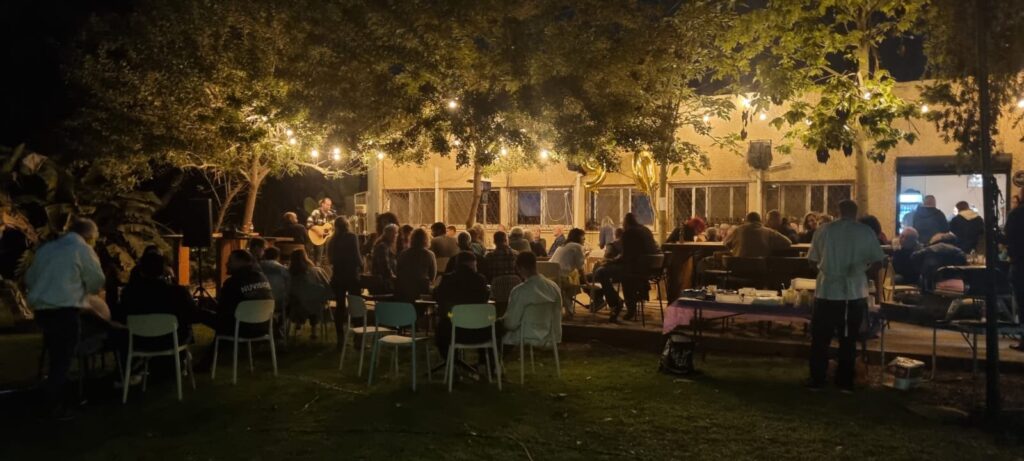
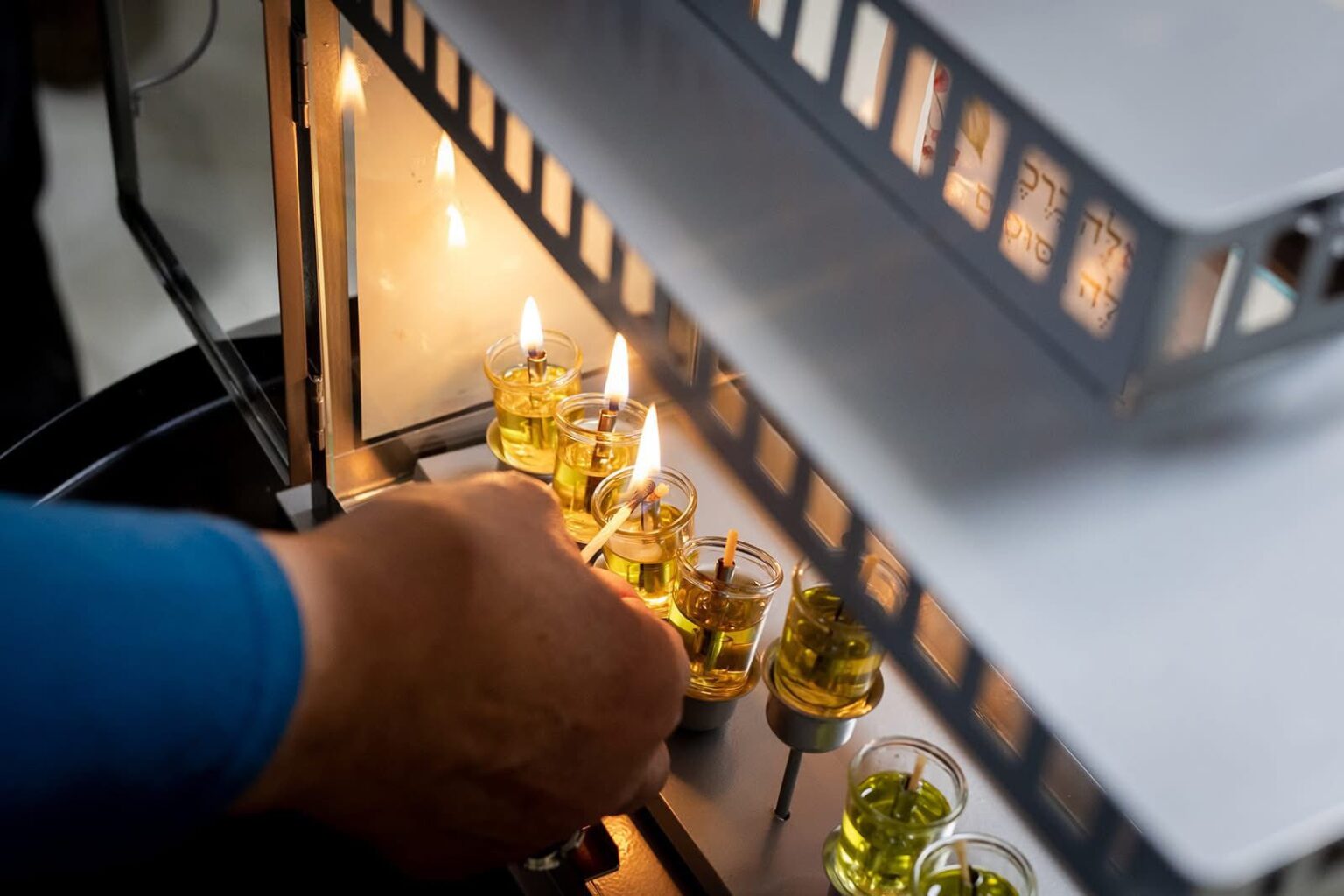
The House in Mishor: A dedicated resilience center providing dozens of workshops in art therapy, yoga, NLP, and creative writing. It recently launched a new music room for youth and serves as a hub for resident led community events and holiday celebrations.
Mobile Coffee Cart: A unique intergenerational initiative that travels through public parks and neighborhoods. Powered by a dedicated team of volunteers, the cart fosters social connections between seniors, parents, and children over coffee and community activities.
Community Garden: Located in the Shoham Center, this newly developed space features a greenhouse and organized gardening groups. Led by a professional gardener, it teaches children and families sustainability while strengthening their sense of local belonging.
Digital Transformation: Enhanced resident services through a WhatsApp based reporting system across five municipal departments. This includes a real time service dashboard for managers and a dedicated app providing live updates on city maintenance and emergencies.
Mobile Rights & Information Bureau: A mobile service unit that reached 480 residents in older neighborhoods. It provides accessible assistance with National Insurance, electricity bills, legal aid, and senior clinics, bridging the gap between the municipality and its citizens.
Senior Service Year: In partnership with the Elul Association, seven volunteers aged 60+ (professionals from medicine, tech, and education) relocated to Ofakim for a year of service. They are integrated into municipal departments to share their lifelong expertise and support local resilience.
The Heroism Race: A major city event held on November 28 with 2,000 participants running in various heats, from popular tracks to a half marathon. The race honors those lost on October 7 and throughout the war, fostering immense local pride and a spirit of renewal.
Telemedicine for Northern Border Communities
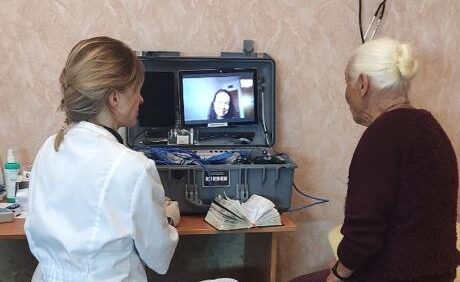
Residents remaining in the conflict zones of the Upper Galilee faced extreme difficulty accessing medical specialists due to the security situation and the closure of local clinics.
NATAN, in partnership with the Galilee Panhandle Regional Council and Bar Ilan University, established a telemedicine project. Patients visited a mobile clinic in their kibbutz, where they were assisted by on-site medical staff while receiving remote consultations from specialist volunteers.
- Provided free, accessible specialist care in fields such as dermatology, cardiology, and geriatric medicine for those living under fire.
Mental Health First Aid – MA’ASEH Model
The ongoing state of war and national trauma created a widespread need for tools to handle acute psychological distress in real-time.
NATAN partnered with the International Center for Functional Resilience (ICFR) to deliver workshops on the MA’ASEH Model, the national standard for mental health first aid.
- 25 senior NATAN volunteers (psychologists and social workers) were trained to lead these workshops nationwide.
- Training has been provided to municipalities, schools, and social organisations, empowering ordinary citizens to become sources of community resilience.
Project "Warm Home"
Russian and Ukrainian-speaking evacuees (primarily aged 55–85) faced a “double trauma” of war and language barriers, making it difficult to access standard support services.
NATAN deployed Russian-speaking trauma experts to provide psychosocial support, focusing on stabilising emotional states and assisting with the navigation of social rights.
- Participants reported reduced anxiety and improved sleep, with many regaining the confidence to return to community activities.
- Successfully connected isolated elderly residents to relevant professional agencies for long-term care.
Project "HaMakom" – Dharamsala, India
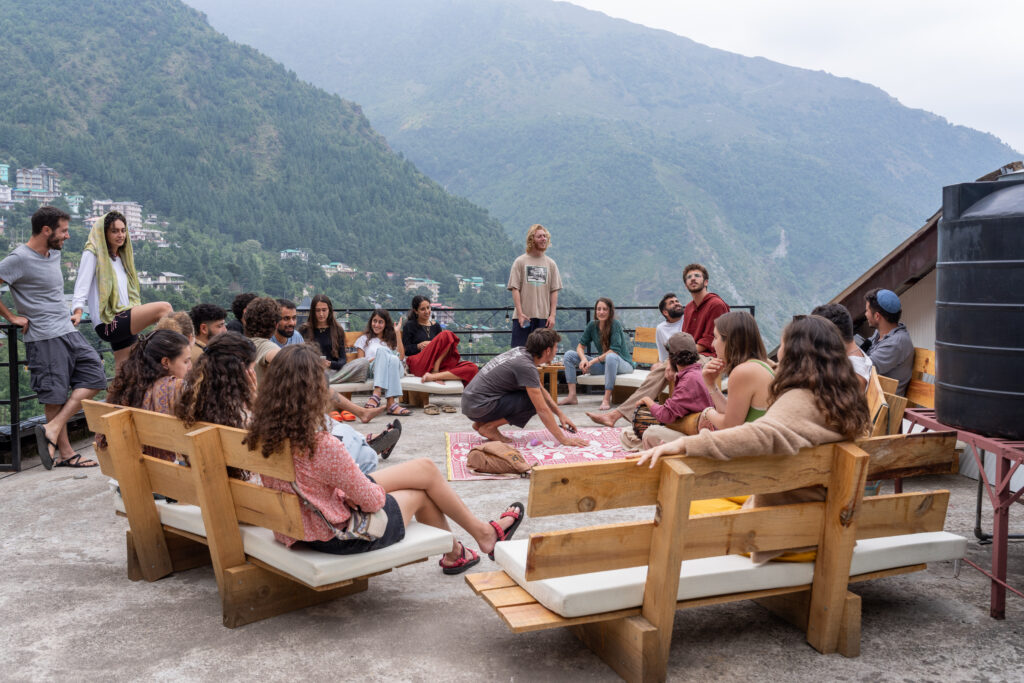
Thousands of young Israelis travelling in India found themselves struggling with post-trauma related to the war, far from their traditional support networks in Israel.
NATAN partnered with the HaMakom Association to establish a resilience space in Dharamsala, providing professional psychological support, “Chai talks,” and wellness activities.
- The space recorded 5,200 visits, facilitating over 300 significant therapeutic conversations.
- Created a supportive community for backpackers, helping them process their experiences through art, yoga, and group discussions.